
Freeoners: Exploring the Rise of a Digital Movement
In the ever-evolving digital age, a new term has been gaining traction: “freeoners.” But who are freeoners, and why is this movement capturing the attention of so many online communities? In this comprehensive guide, we will explore the meaning of freeoners, their lifestyle, the digital platforms driving their popularity, and the broader social implications of this growing trend.
What Does “Freeoners” Mean?
The term freeoners generally refers to individuals who prioritize freedom, flexibility, and independence in their personal and professional lives. Unlike traditional career paths that are bound by nine-to-five structures, freeoners embrace a lifestyle that allows them to work, travel, and live on their own terms.
At its core, being a freeoner is about liberation from societal expectations. This can manifest in various ways: working remotely, pursuing creative projects, embracing minimalism, or engaging in digital entrepreneurship. Freeoners value autonomy, self-expression, and control over their own time.
The Origins of the Freeoner Movement
While the exact origin of the term “freeoner” is somewhat unclear, it emerged alongside the rise of the digital nomad movement in the early 2010s. With the proliferation of internet connectivity and remote work tools, more people began seeking lifestyles outside the traditional office environment.
Unlike general digital nomads, freeoners are less about travel and more about freedom in every aspect of life. This can include financial freedom, lifestyle flexibility, and even freedom from digital surveillance or mainstream consumer culture. Freeoners often overlap with communities such as minimalists, independent creators, and blockchain enthusiasts, all of whom value autonomy over conformity.
Characteristics of Freeoners
Understanding freeoners requires looking at the values and behaviors that define them. Some common traits include:
- Digital Independence: Freeoners often rely on technology to support their work, such as freelancing platforms, online businesses, or remote consulting.
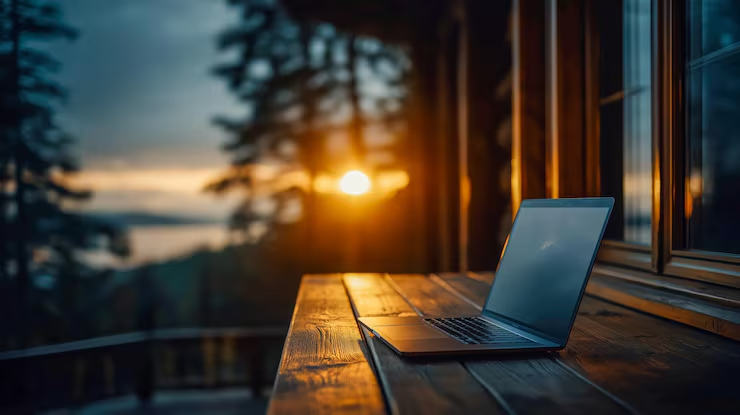
- Flexibility: They prioritize the ability to choose their schedule, environment, and activities, often working from home, cafes, or co-working spaces.
- Self-Directed Learning: Many freeoners invest time in developing new skills on their own, from coding to digital marketing, rather than following traditional educational pathways.
- Minimalism: Freeoners tend to value experiences over possessions, reducing material clutter to focus on mobility and personal growth.
- Community-Oriented: While freeoners value independence, they often engage with like-minded communities online to exchange knowledge, support, and opportunities.
Why Freeoners Are Gaining Popularity
The rise of freeoners can be attributed to several societal and technological factors:
- Remote Work Revolution: With more companies offering remote or hybrid work options, people have realized that they don’t need a physical office to be productive.
- Technological Access: Cloud computing, mobile devices, and collaborative tools enable freeoners to work from virtually anywhere.
- Cultural Shift: Millennials and Gen Z prioritize lifestyle over status, seeking meaning and freedom in their work rather than mere financial stability.
- Economic Opportunities: Online freelancing, cryptocurrency, and e-commerce provide avenues for independent income streams that empower the freeoner lifestyle.
These trends highlight a growing desire for autonomy, making the freeoner identity appealing to a wide range of individuals seeking a balance between work, life, and personal fulfillment.
Digital Platforms Empowering Freeoners
A variety of digital tools and platforms have fueled the growth of freeoners, allowing them to connect, collaborate, and earn income:
- Freelancing Marketplaces: Websites like Upwork, Fiverr, and Freelancer make it easier for freeoners to monetize their skills globally.
- Remote Work Tools: Platforms like Slack, Zoom, and Notion help freeoners coordinate projects, communicate with clients, and manage workflows efficiently.
- Social Media Communities: Freeoners often gather on platforms like Reddit, Discord, and specialized forums to share experiences and tips.
- Financial Tools: Digital banking, cryptocurrency wallets, and online payment services provide the flexibility needed to earn and spend money without traditional constraints.
By leveraging these platforms, freeoners can maintain financial independence, build professional reputations, and cultivate supportive communities—all without being tethered to a single location or employer.
Freeoners vs. Digital Nomads
Though often confused with digital nomads, freeoners have a distinct identity. While digital nomads primarily focus on location independence—traveling the world while working remotely—freeoners prioritize freedom in all aspects of life.
- Digital Nomads: Focus on travel and location flexibility.
- Freeoners: Focus on autonomy, flexibility, and self-directed lifestyle choices.
In other words, all digital nomads could be considered freeoners, but not all freeoners are digital nomads. Some may choose to live a stationary life while still enjoying total autonomy over their time, finances, and projects.
Challenges Faced by Freeoners
While the freeoner lifestyle has many benefits, it also comes with unique challenges:
- Income Instability: Freelance and independent work often lack steady paychecks or benefits, requiring careful financial planning.
- Isolation: Working independently can be lonely, making it important to build supportive social networks.
- Discipline Requirements: Freeoners must self-manage time, deadlines, and personal projects without external oversight.
- Societal Pressure: Some freeoners face criticism or misunderstanding from peers and family who view traditional employment as safer or more respectable.
Despite these challenges, many freeoners find the trade-offs worthwhile, valuing personal freedom and creative autonomy over societal approval.
How to Embrace the Freeoner Lifestyle
For those interested in becoming freeoners, here are some practical steps:
- Define Your Freedom: Identify which aspects of life—time, location, finances—you want to control.
- Develop Marketable Skills: Invest in skills that allow you to earn independently, such as writing, design, programming, or marketing.
- Start Small: Experiment with freelance projects or side hustles before fully committing to a freeoner lifestyle.
- Build a Support Network: Join online communities or local groups to share advice, resources, and emotional support.
- Prioritize Minimalism: Simplify possessions, commitments, and routines to enhance mobility and flexibility.
- Embrace Lifelong Learning: Stay adaptable by continuously learning new skills and exploring emerging opportunities.
By taking these steps, aspiring freeoners can transition from traditional work models to a more flexible, autonomous way of life.
The Future of Freeoners
The trend of freeoners is likely to grow in the coming years, driven by the following factors:
- Increasing Remote Opportunities: As technology improves, more industries will embrace remote and independent work.
- Changing Cultural Values: Younger generations increasingly value personal fulfillment, creativity, and lifestyle freedom.
- Global Connectivity: Widespread internet access enables freeoners to collaborate and earn globally.
- Innovative Economic Models: Cryptocurrencies, decentralized finance, and creator economies provide new ways for freeoners to generate income independently.
The freeoner movement may reshape the way society views work, success, and personal fulfillment, challenging traditional norms and inspiring a generation to redefine freedom.
Conclusion
Freeoners represent a shift in how people perceive work, life, and personal autonomy. By embracing flexibility, independence, and self-directed growth, freeoners are carving out a lifestyle that prioritizes freedom over convention. While challenges exist, the rise of digital tools, online communities, and global opportunities make this movement more accessible than ever.